About Japanese Tea
Origins of Japanese Tea
Tea in Japan has been enjoyed for over a thousand years, with its origins believed to have been introduced from China during the Nara period (710-794 CE). According to legend, the monk Eich? first brought tea seeds to Japan from China in the year 1191. In the early days of its use, tea was primarily enjoyed as a medicinal drink in Japanese culture, with the first tea ceremony taking place in the 12th century and the first tea house opening in Kyoto in the 15th century.
In the 16th century, tea drinking became more widespread in Japan with the introduction of Sencha, a type of green tea. This was followed by the introduction of Matcha, a powdered green tea, in the 17th century. Matcha quickly gained popularity among the higher classes and was used in the tea ceremony. In the 18th century, Japanese tea culture flourished with the development of the Japanese tea ceremony, known as chanoyu.
During the 19th century, tea production and consumption increased dramatically in Japan. By the end of the century, Japan had become one of the largest tea producers in the world. Tea production in Japan has since become highly mechanized, and the country produces tea for both domestic consumption and export.
Today, tea is an important part of the Japanese lifestyle and culture, with the tea ceremony still practised in many parts of the country. Tea is also served in many restaurants, cafes and homes, and is enjoyed both hot and cold. There are many varieties of tea available in Japan, including green tea, black tea, oolong tea, and herbal tea. Tea is also used to flavour many popular Japanese foods and drinks, such as o-cha, green tea ice cream, and tea-flavoured snacks.
The different types of Japanese Tea
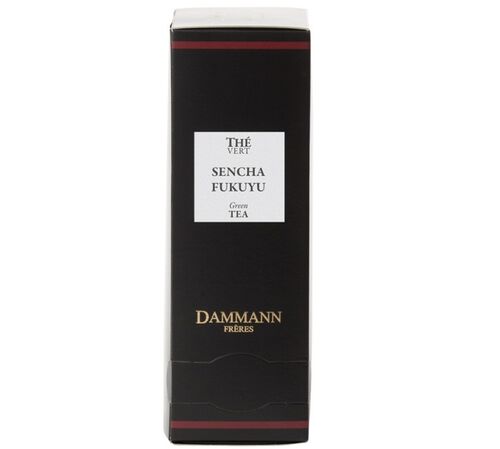
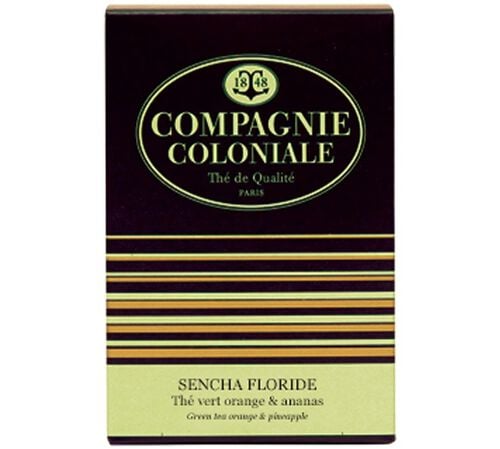
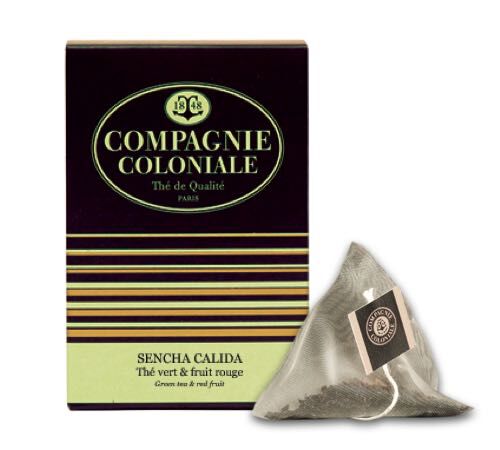
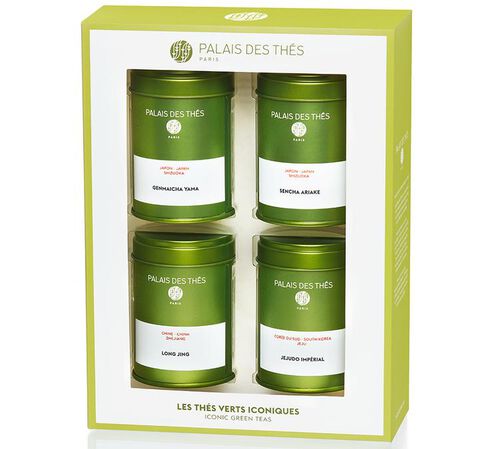
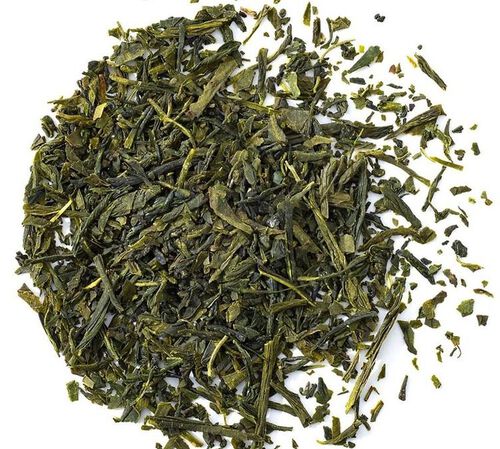
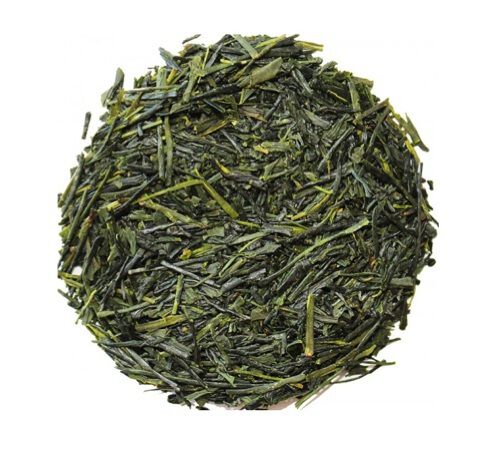
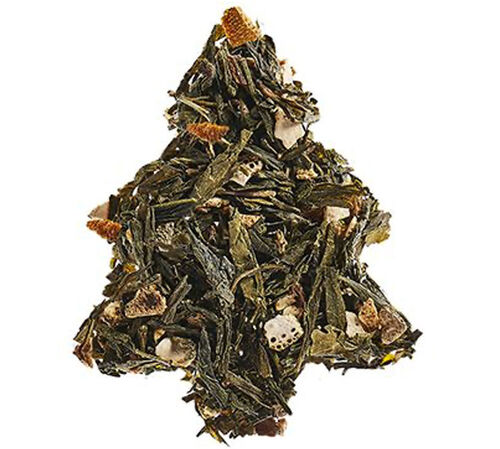
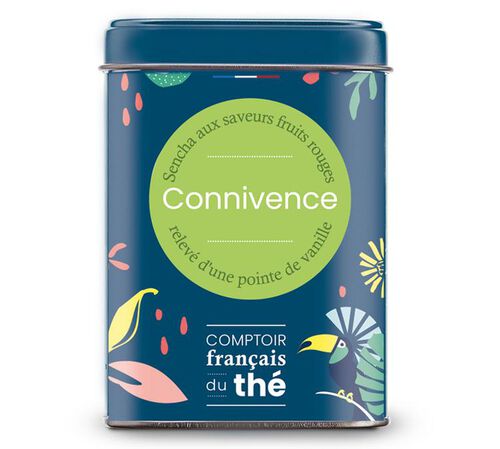
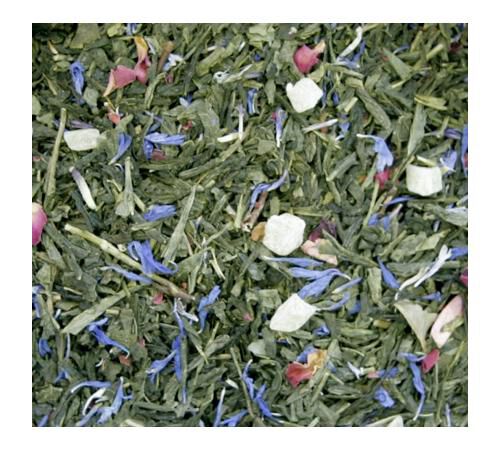
Sencha is the most popular type of Japanese green tea. It is made with steamed tea leaves and has a refreshing, grassy flavour. Sencha is usually served hot or cold, and can be enjoyed with or without milk.
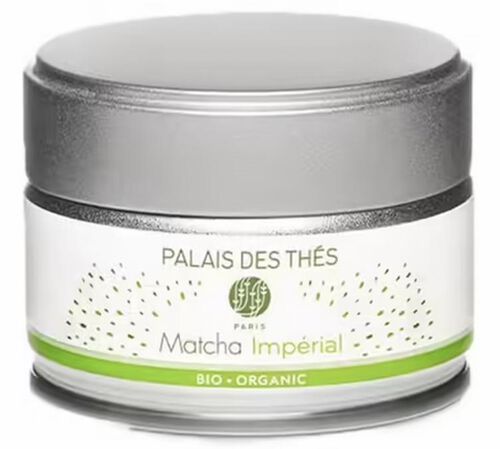
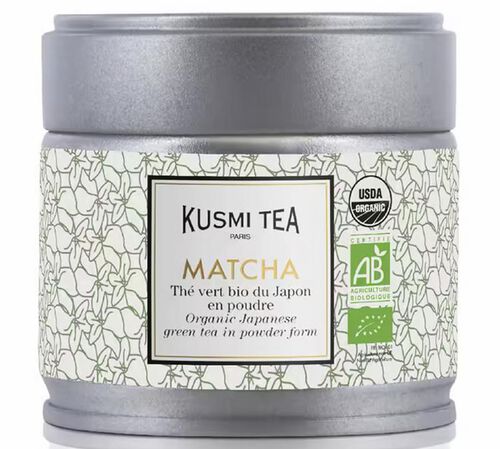
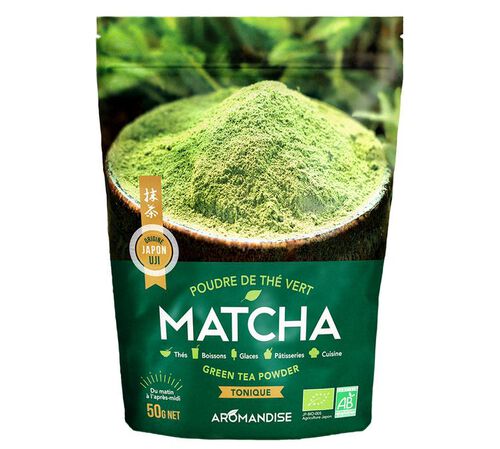
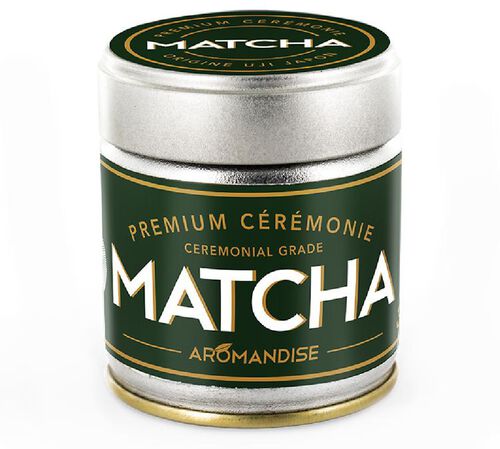
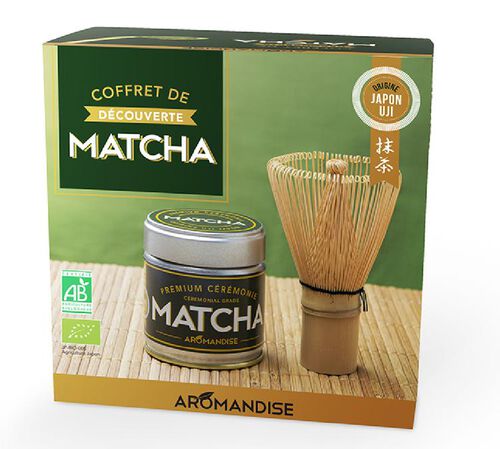
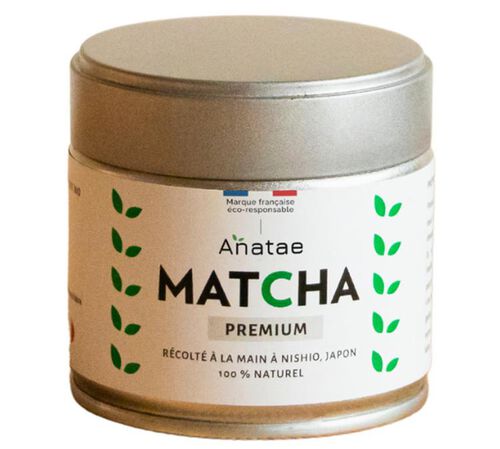
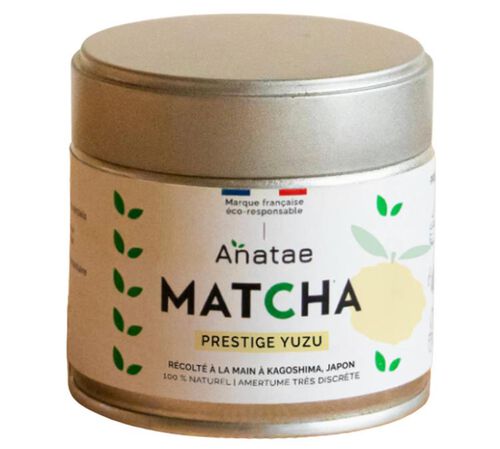
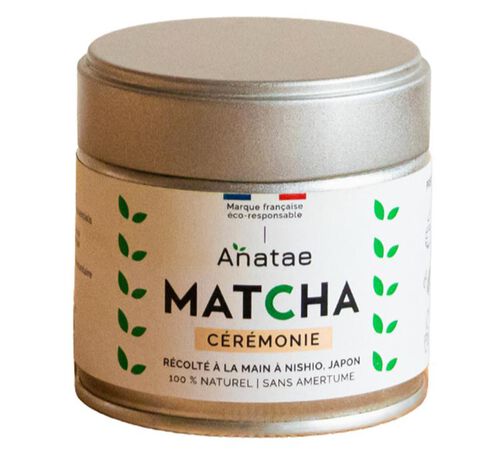
Matcha is a type of green tea powder that is made from grinding whole tea leaves. Matcha has a strong, earthy flavour, and it is often used in traditional Japanese tea ceremonies. Matcha is also used in many desserts and drinks.
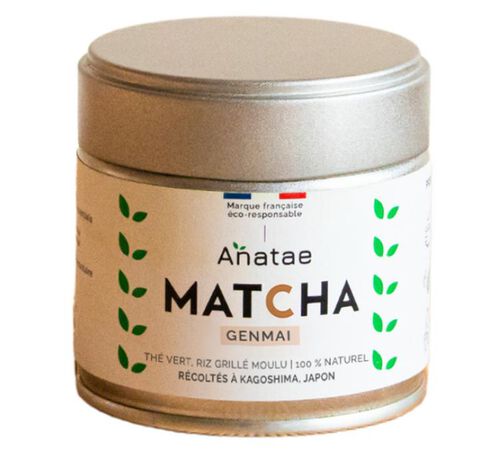
Genmaicha is a combination of green tea and roasted brown rice. It has a unique nutty flavour and is often served with a small side of roasted nuts. Genmaicha is usually served hot or cold.
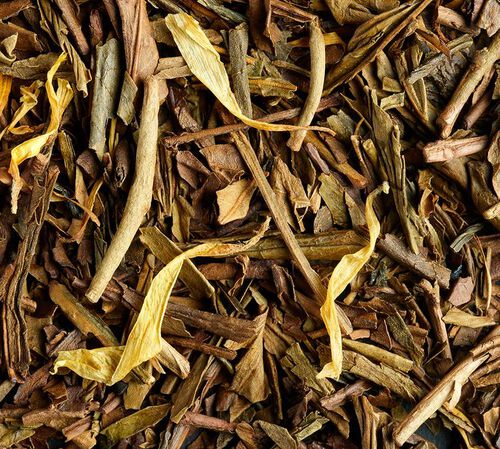
Houjicha is a type of roasted green tea. The tea leaves are roasted over charcoal, which gives it a toasty flavour and aroma. Houjicha is usually served hot or cold, and is often enjoyed with a sweetener.
Kukicha is a type of twig tea made from the stems and stalks of the tea bush. It has a light, nutty flavour, and is usually served hot or cold.
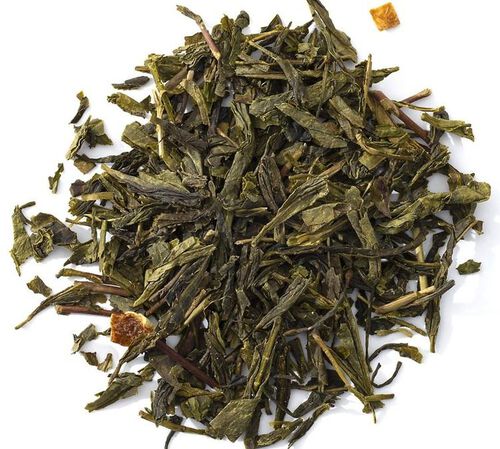
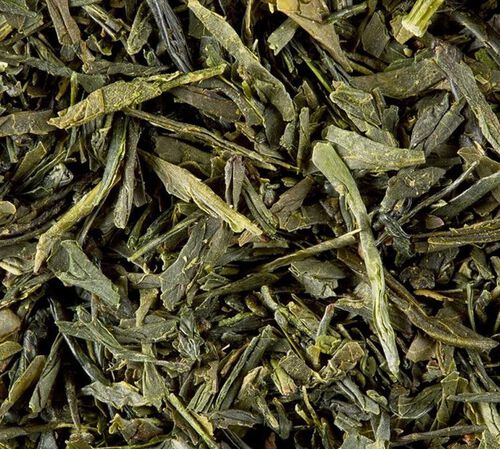
Bancha is a type of green tea made from the second flush of tea leaves. It has a milder flavour than Sencha, and is often served hot or cold.
These are just a few of the many types of authentic Japanese tea. Each type of tea has its own unique flavour and characteristics, making it a great way to experience the culture and history of Japan. Whether you prefer hot or cold tea, there is something for everyone. Enjoy exploring all the different types of Japanese tea!
Why to buy Japanese tea ?
Health benefits of Japanese Tea
Japanese tea is a type of tea that has been brewed and consumed in Japan for centuries. It is known for its health benefits, including aiding in weight loss, improving skin health, and lowering cholesterol.
It is high in antioxidants, which help fight off free radicals and reduce the risk of cancer. It also contains catechins, which may help reduce inflammation and improve cardiovascular health.
Japanese tea also contains caffeine, which can boost metabolism and increase energy levels.
Additionally, Japanese tea has been linked to improved mental clarity and memory retention, as well as improved mood. For all these reasons, Japanese tea is an excellent addition to any health-conscious lifestyle.
The wide MaxiCoffee selection
MaxiCoffee offers a wide selection of Japanese teas from various brands. From Sencha to Matcha, from Genmaicha to Hojicha, there is something to please every kind of tea enthusiast. All the teas are of the highest quality and sourced directly from Japan. The teas are carefully selected and taste-tested by experienced Japanese tasters, so you can be sure that you're getting the best of the best.
Whether you're looking to try something new or just want to stock up on your favourite Japanese tea, MaxiCoffee has you covered. With such a wide variety of teas, you're sure to find something to suit your taste.