-
100% Arabica

-
MaxiCoffee roasting process

-
France

Out of stock
FREE DELIVERY* See more

MaxiCoffee has had a makeover! Please reset your password to access your account on the new platform. This step is essential.
If you’ve already done this since 30/06, there’s no need to do it again, please sign in using the "Already a customer" section below.
Got questions? Find out more here
Are you a new customer?
Error
An error has occurred. Please try again later.
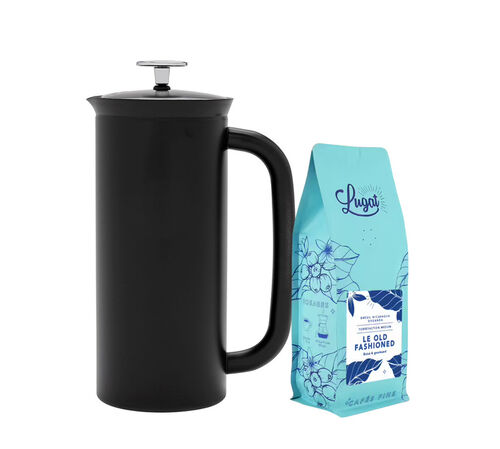
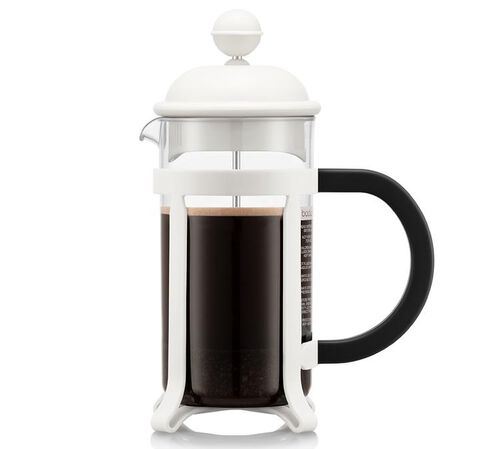
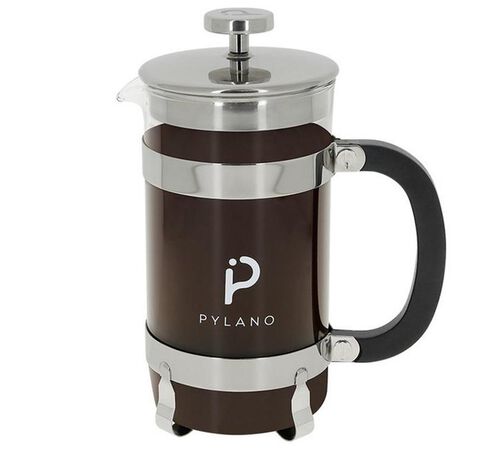
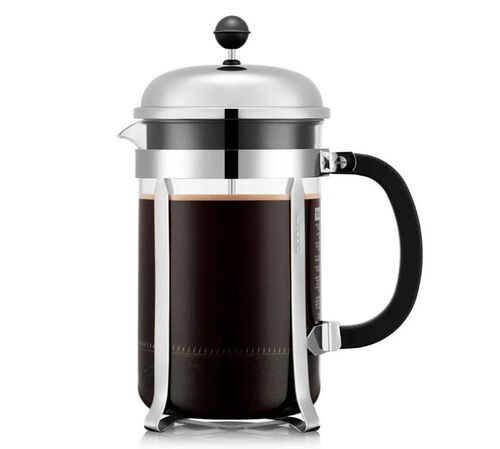
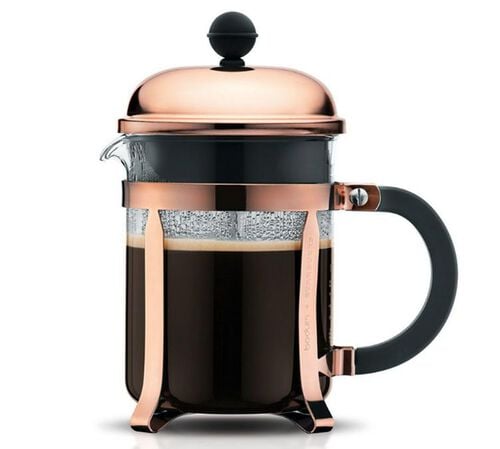
A Cafetiere offers an accessible brewing method for enjoying aromatic coffee with generous body and character.
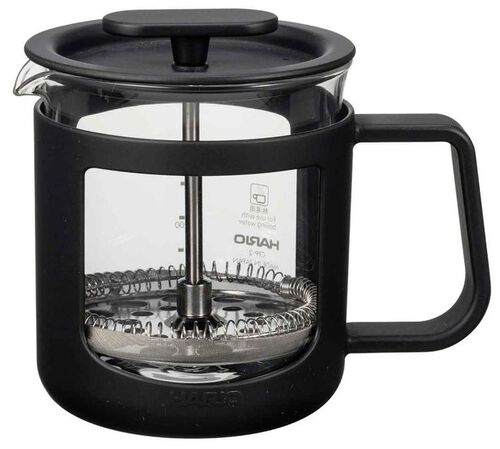
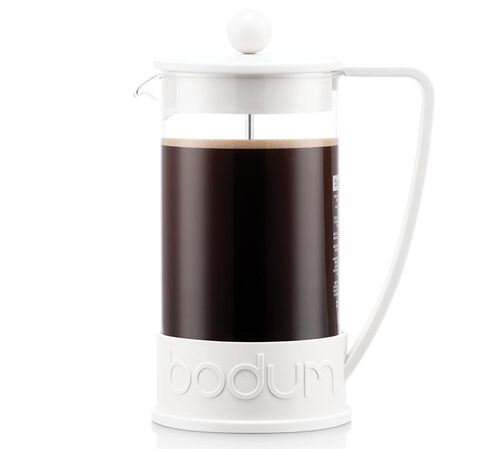
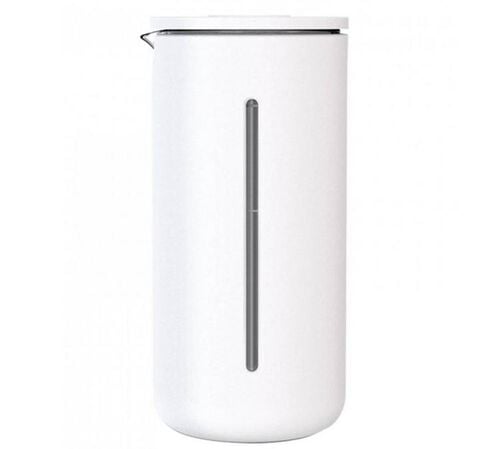
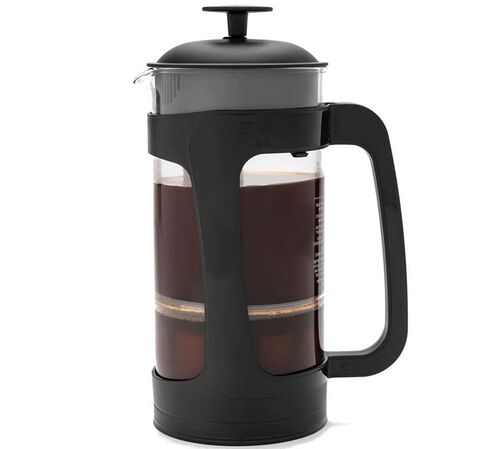
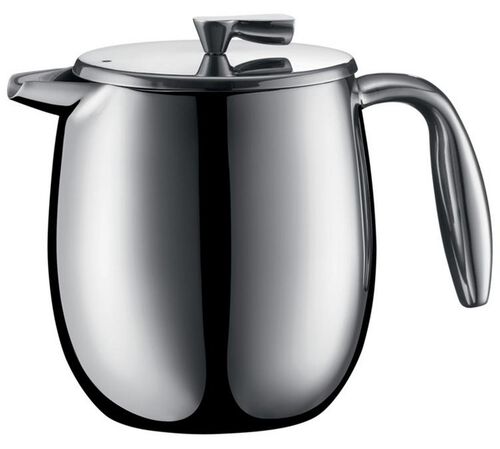
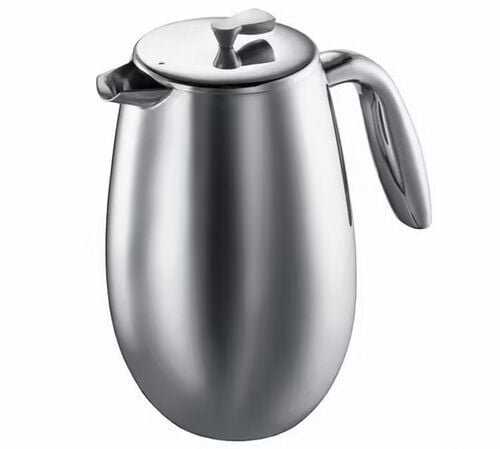
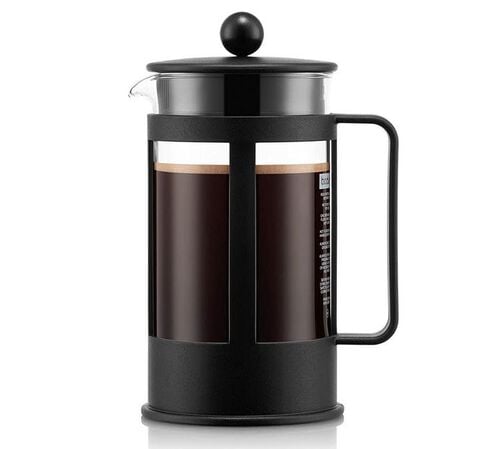
Explore the French press selection chosen by MaxiCoffee experts to make manual brewing simple and enjoyable. Available in different capacities, materials and designs, these coffee makers suit individual servings as well as shared coffee moments. Their immersion method allows the coffee to develop its aromas before the grounds are separated using the plunger. MaxiCoffee helps you identify the right model for your routine, preferred capacity and style. Whether you are discovering manual brewing or refining your technique, our French press range combines practical features, quality construction and trusted brands to support consistent preparation and help you enjoy every cup.
The French press, also known as a cafetiere, uses full immersion to extract the aromas of coffee. Rather than passing quickly through a filter, the coffee remains in contact with hot water for several minutes before the plunger separates the liquid from the grounds. This straightforward method requires little equipment and gives you plenty of control over the final cup.
One of the main characteristics of French press coffee is its generous body. The metal filter allows more of the coffee's natural oils to remain in the cup than some paper-filter methods. You can also adjust the amount of coffee, brewing time or water temperature according to your preferences, making the cafetiere an accessible choice for experimenting with different recipes.
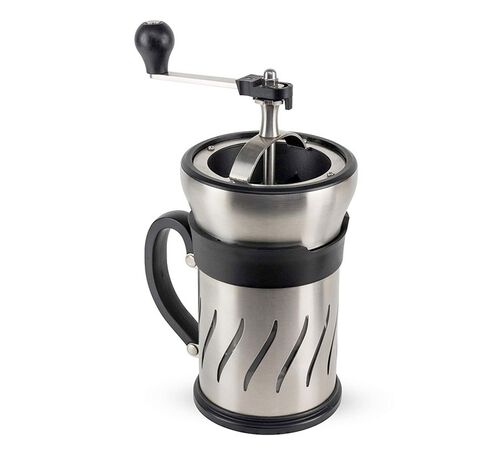
Many types of ground coffee can be prepared in a French press, but choosing a suitable grind can improve the result. A medium-coarse to coarse grind is generally well suited to this brewing method, as very fine particles can pass through the metal filter and leave more sediment in the cup. For greater control, a coffe grinder lets you adjust the grind before each preparation.
A French press can reveal a wide range of aromatic profiles, so there is no single coffee you need to choose. Freshly ground coffee beans allow you to explore different origins, blends and roast profiles. Coffees with chocolate, nut or caramel notes can produce a comforting cup, while fruitier profiles can offer a more vibrant tasting experience. The best choice ultimately depends on the flavours you enjoy.
Think about how much coffee you usually prepare at one time. A compact cafetiere is convenient for an individual serving, while a larger model makes more sense when coffee is regularly shared. Checking the usable capacity before choosing can help you find a French press that fits naturally into your morning or afternoon routine without preparing considerably more coffee than you need.
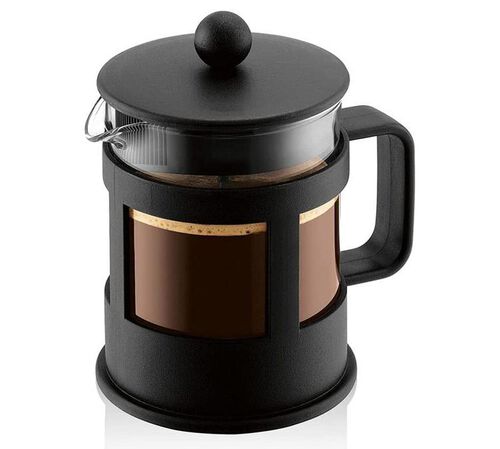
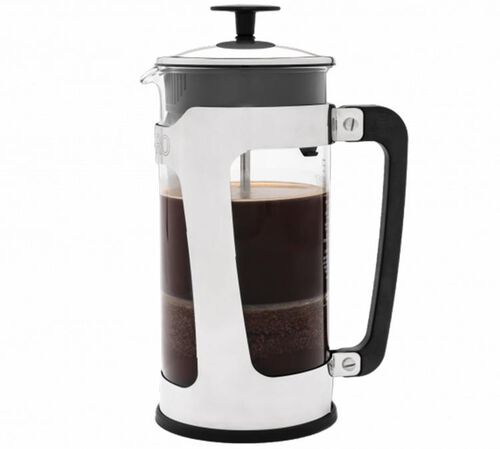
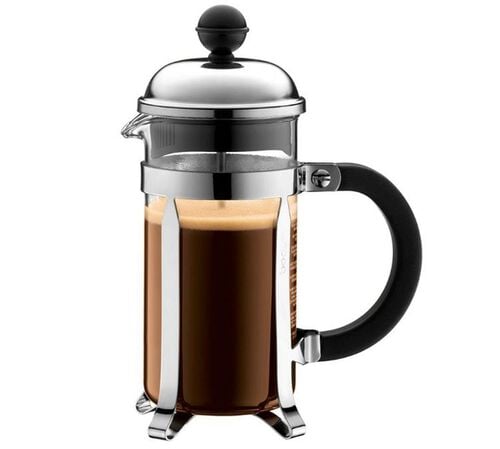
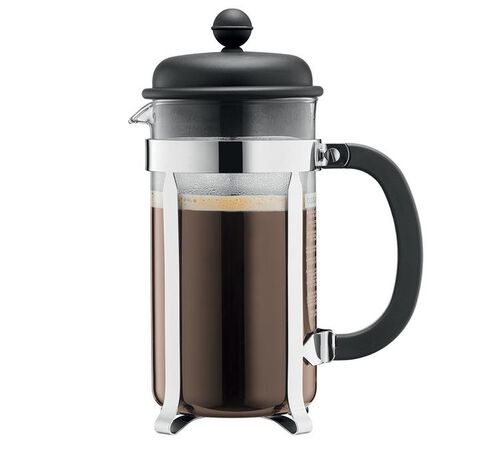
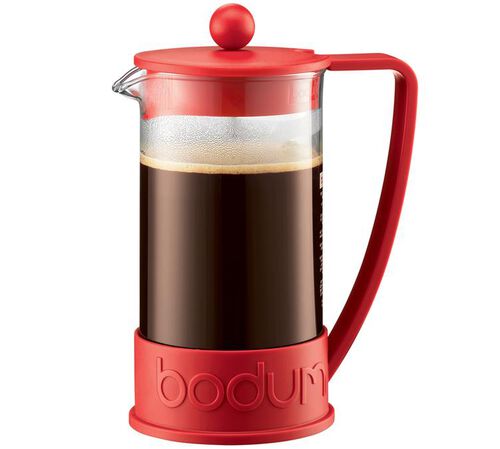
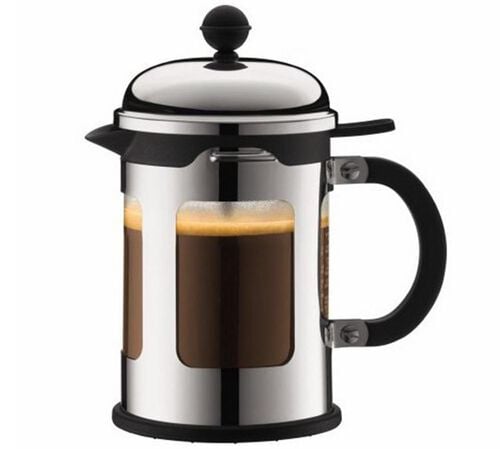
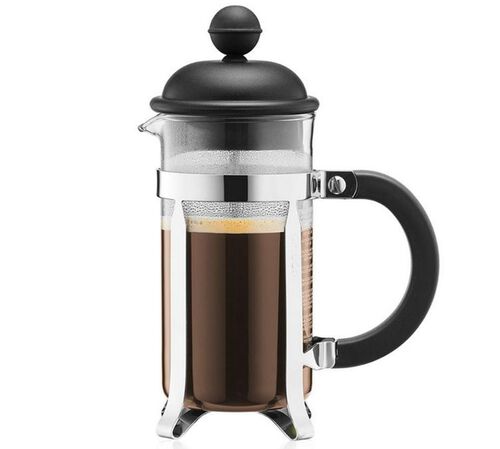
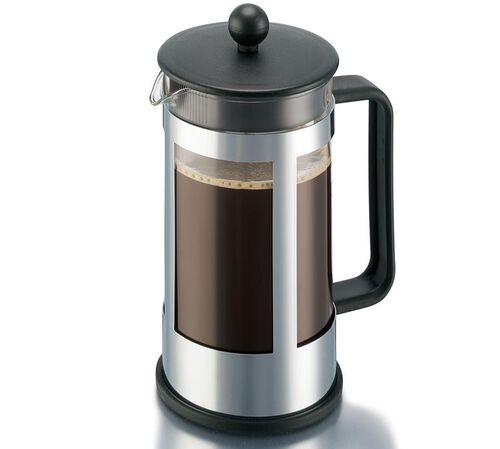
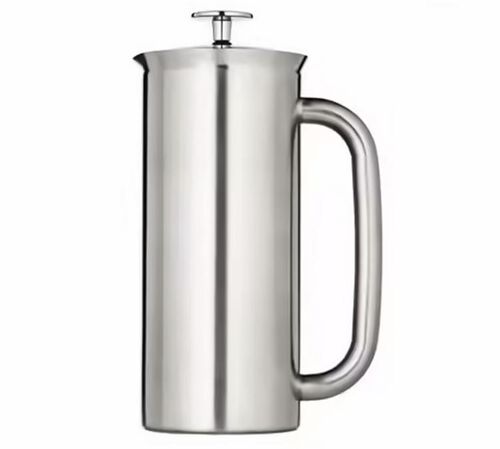
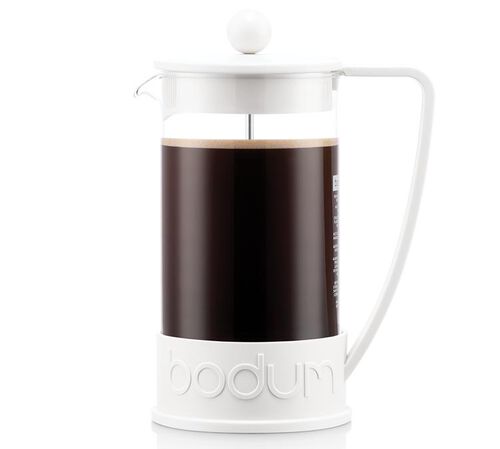
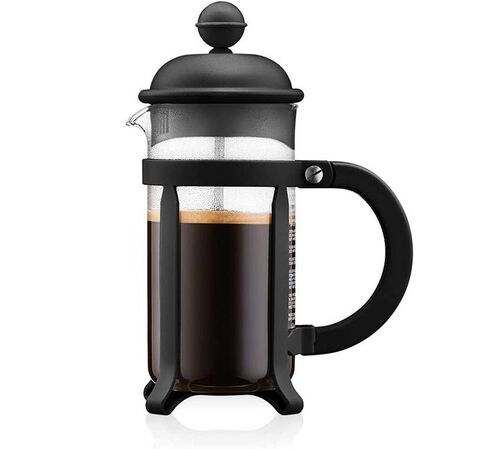
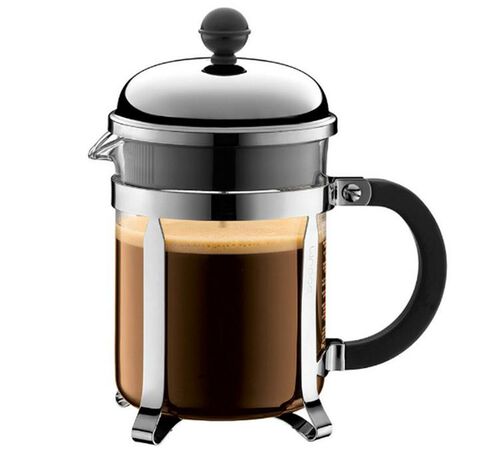
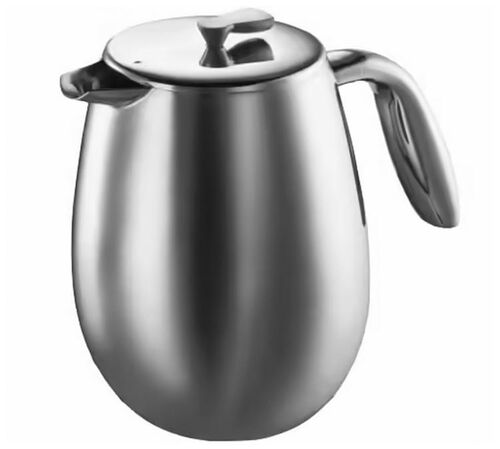
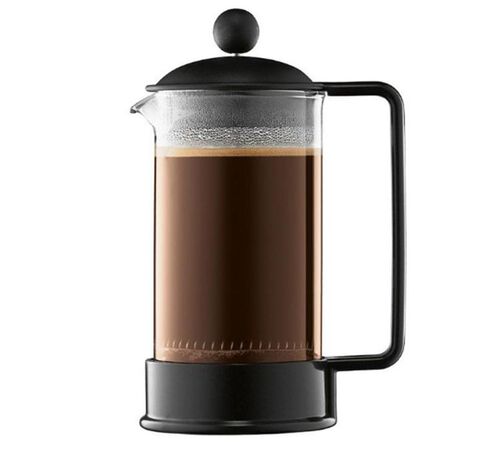
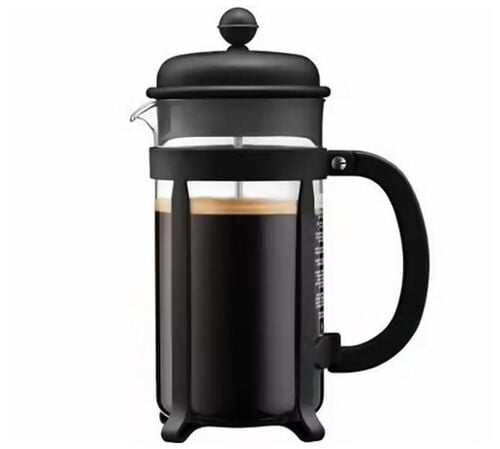
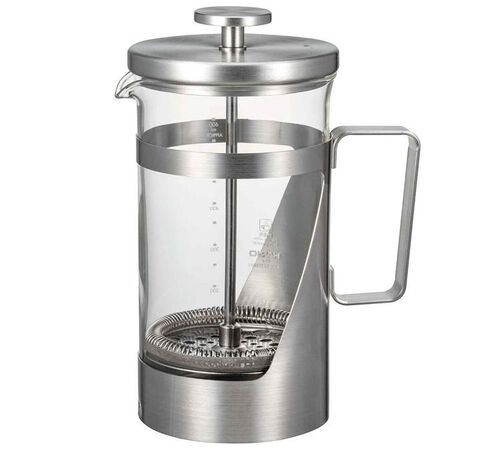
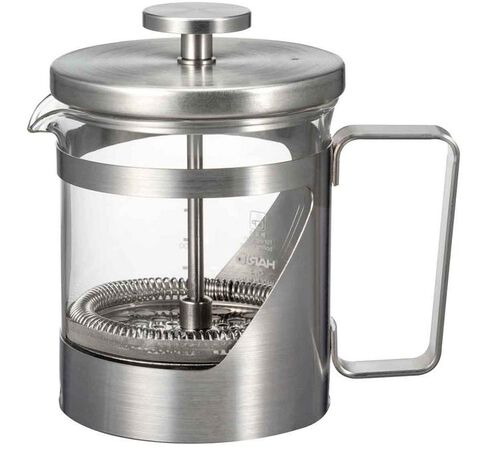
Material is another useful criterion. A glass cafetiere offers the traditional French press appearance and lets you see the coffee during brewing. Stainless-steel models provide a robust alternative and can offer good heat retention. You may also encounter a bodum cafetiere when exploring different designs and capacities. Consider the material alongside practical features such as the handle, plunger and ease of cleaning.
Consistency can make a noticeable difference to your cup. Measure your coffee and water, use a suitable grind and keep your brewing time relatively consistent. You can then change one element at a time to find the recipe that suits you. A slightly different coffee-to-water ratio or brewing time can alter the strength, body and aromatic expression of the drink.
Once the brewing time is complete, lower the plunger slowly and evenly. It is best to serve the coffee soon afterwards rather than leaving it in prolonged contact with the grounds. If you prepare more than one cup, transferring the remaining coffee to another container can help maintain the result you achieved during extraction.
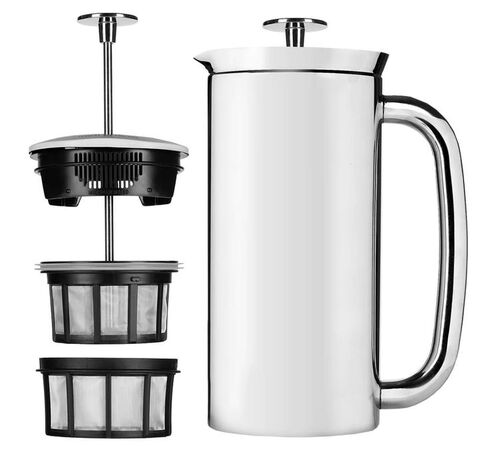
French presses are relatively simple to maintain. After each use, remove the spent coffee and rinse the components that come into contact with the drink. The filter deserves particular attention because fine particles and coffee oils can accumulate between its different parts. Follow the manufacturer's cleaning recommendations for your specific model and materials.
Start by considering capacity, material and ease of use. These practical criteria are often more useful than choosing on appearance alone. Then think about how you enjoy your coffee and how much control you want over preparation. A well-chosen cafetiere offers an accessible way to discover manual brewing, adjust your recipe and explore different coffees while keeping the daily ritual simple.