Choose the Right Coffee
Varieties and Roast Profiles Explained
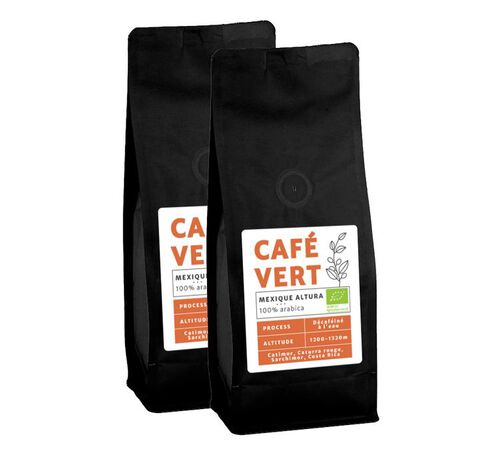
Choosing the right product begins with selecting the right whole beans and roast profile. Whether you prefer a light roast that reveals delicate floral and fruity notes or a dark roast with rich chocolate and roasted aromas, every roast creates a unique cup of coffee. You can also explore 100 arabica beans for their aromatic complexity or blends combining arabica and robusta for a fuller body and higher caffeine content.
Freshly roasted coffee preserves the full expression of every bean. From espresso to filter coffee or a creamy flat white, the roast level influences extraction and helps you enjoy the best possible coffee experience every day.
How to Choose Coffee Beans Based on Flavour Preferences
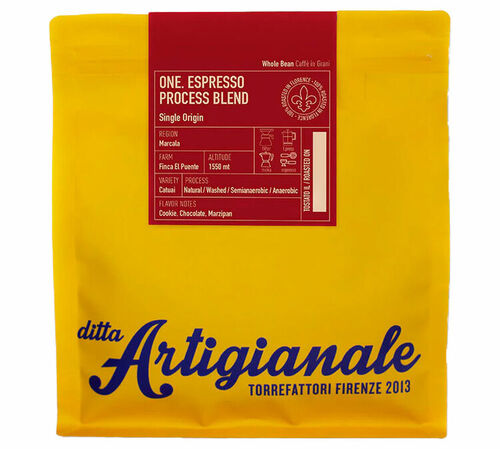
The easiest way to choose it is by considering the flavours you enjoy most. Some develop notes of chocolate, caramel or nuts, while others reveal fruity, floral or citrus aromas. Single origin beans allows you to discover the distinctive character of one producing region, whereas blends create balanced and consistent flavour profiles.
Whether you are an experienced enthusiast or simply discovering new references, exploring different origins, roast profiles and brewing methods helps every coffee lover find the perfect match.
Discover the Different Types of Coffee
Coffee Beans
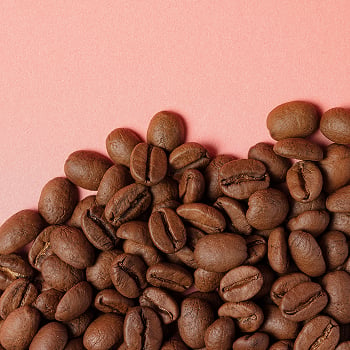
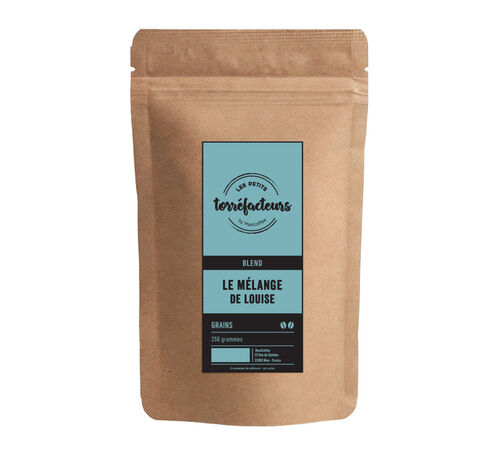
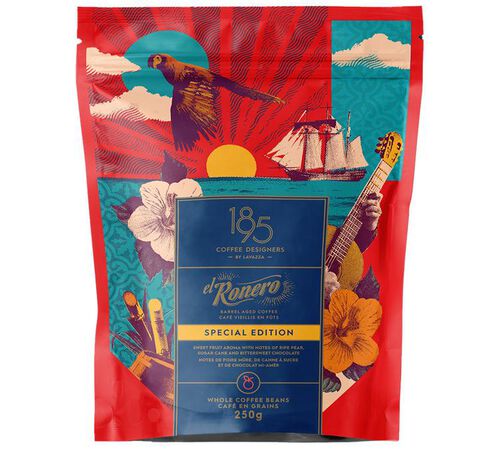
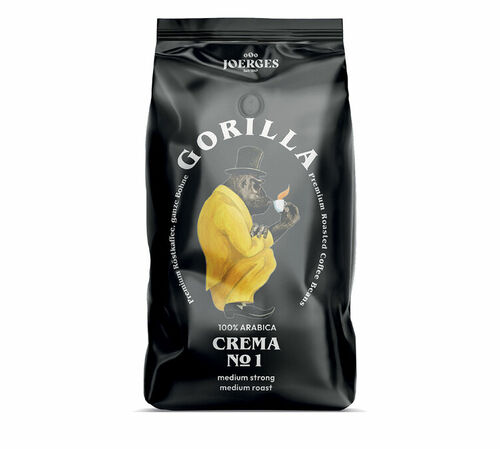
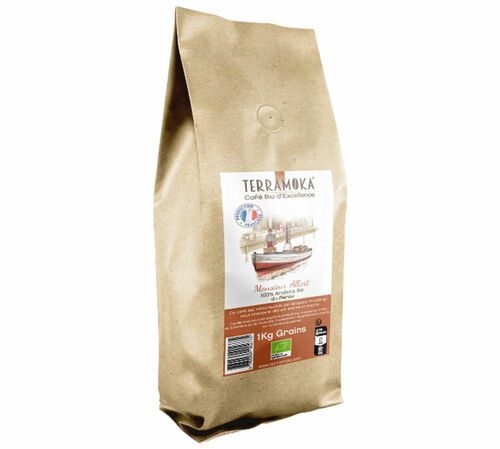
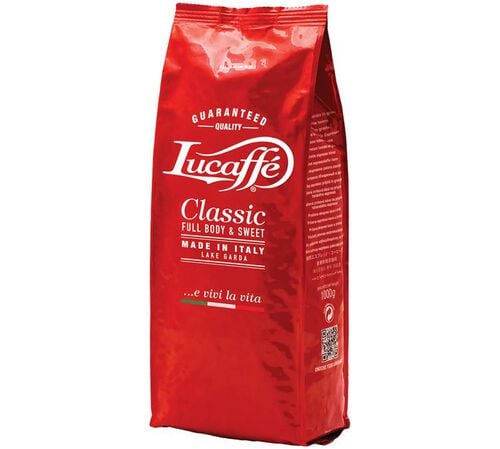
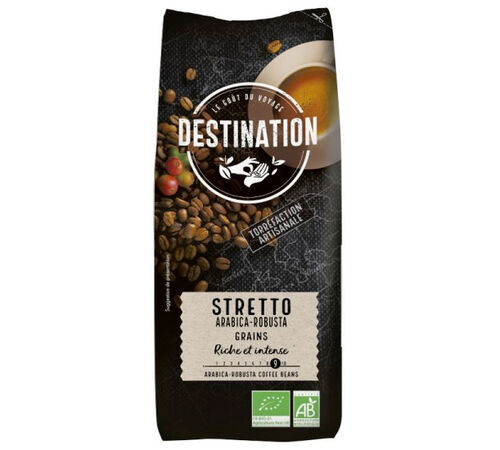
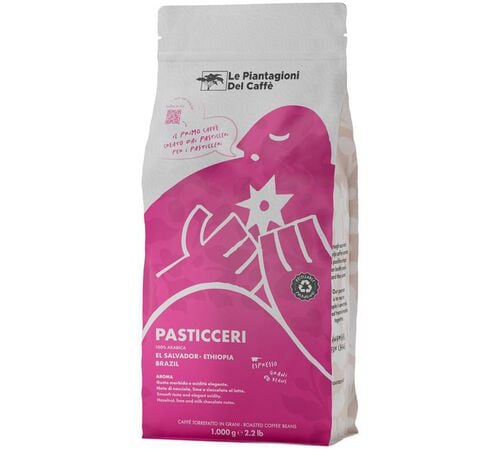
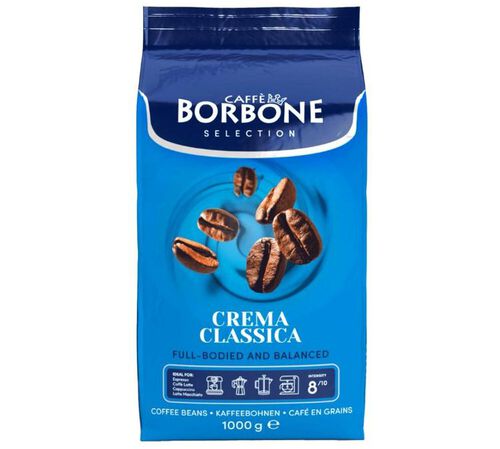
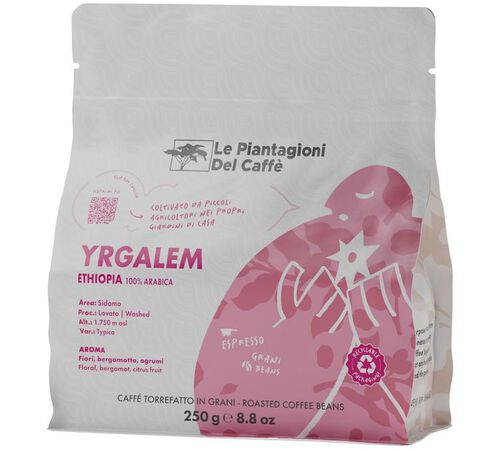
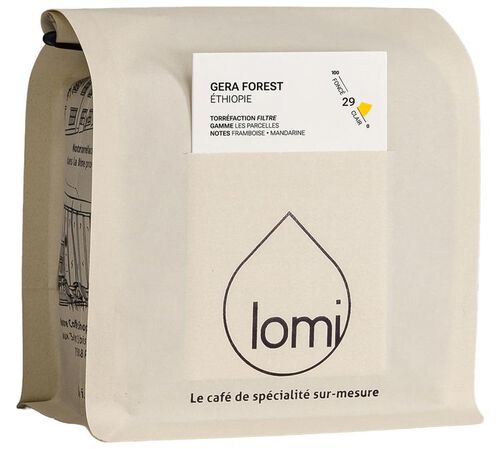
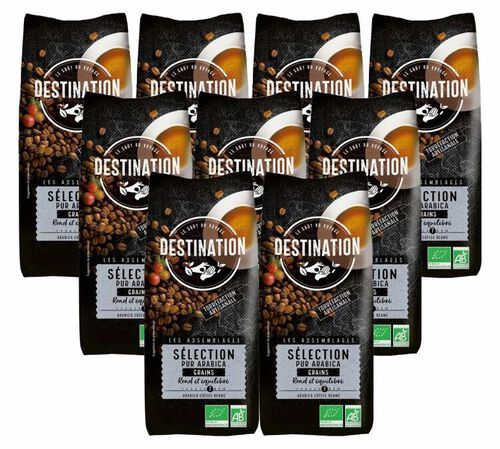
Whole beans remain the preferred choice for many coffee drinkers looking for freshness and flavour. Grinding beans just before brewing preserves their aromas and offers greater control over extraction. We offer a wide range of coffee beans, from everyday favourites to exceptional specialty beans.
Ground Coffee
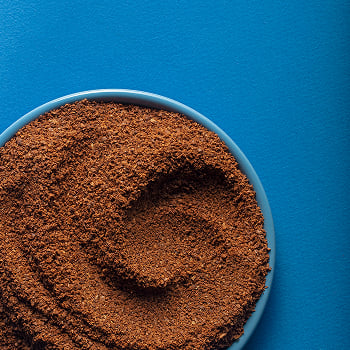
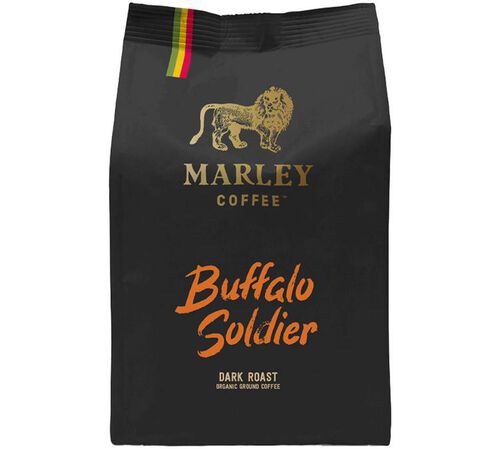
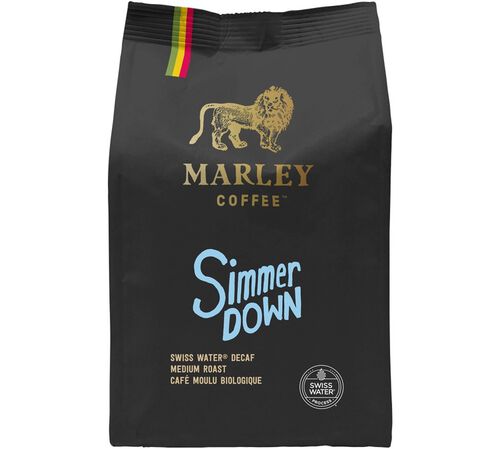
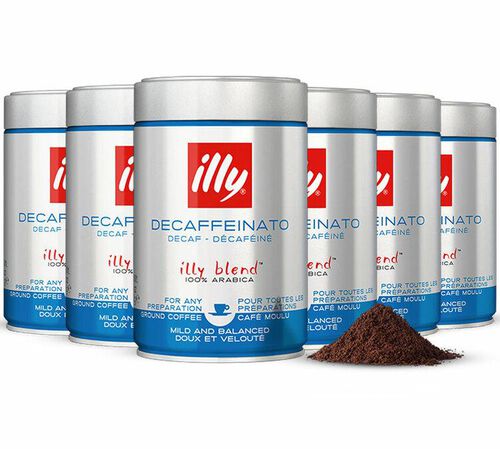
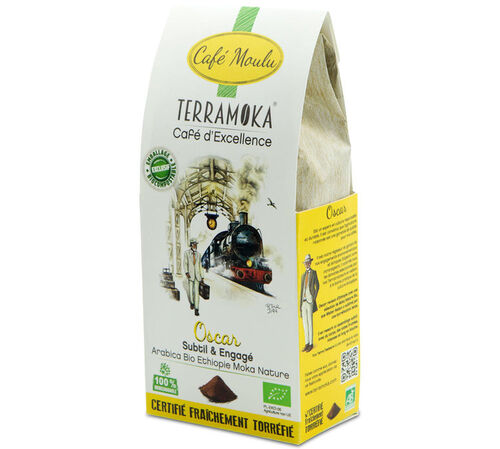
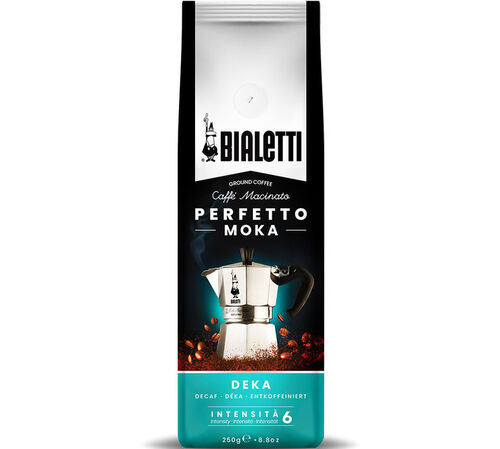
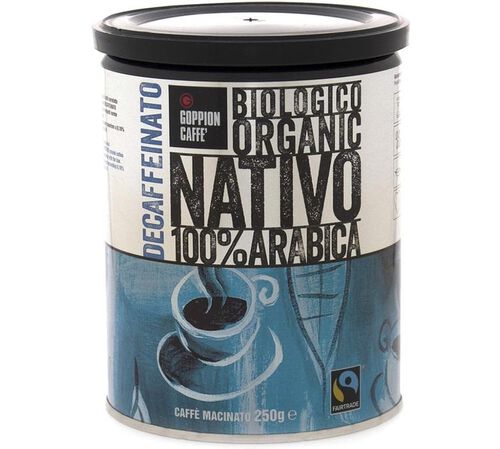
It offers a practical solution without compromising on quality. Suitable for drippers, French presses, moka pots and many other brewing methods, this option allows you to prepare delicious bevrage with ease while enjoying a wide variety of origins and roast profiles.
Coffee Pods
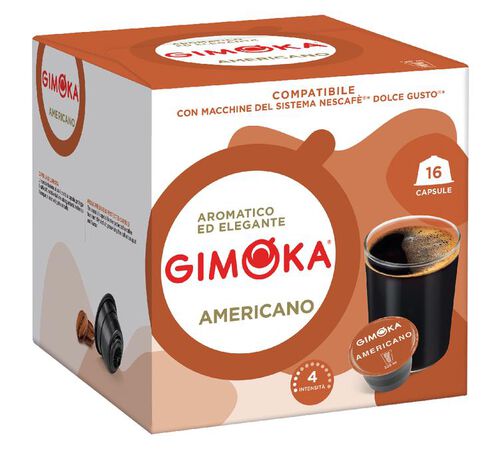
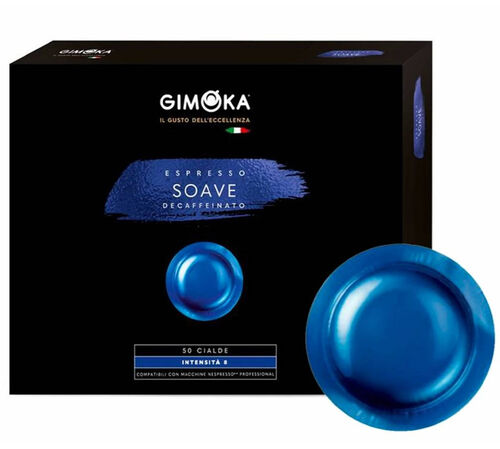
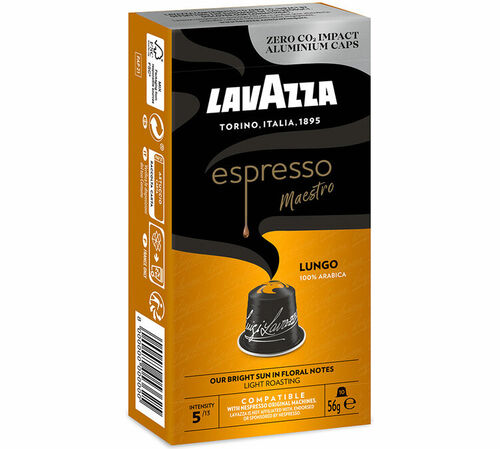
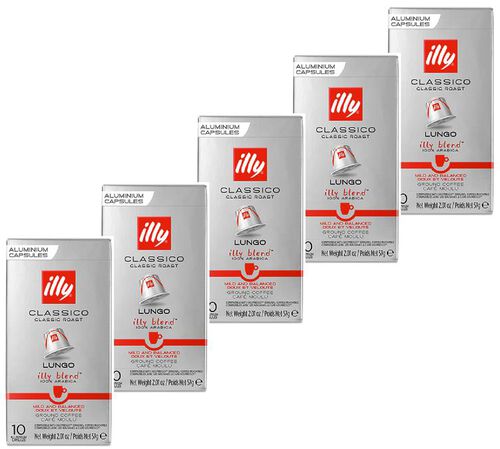
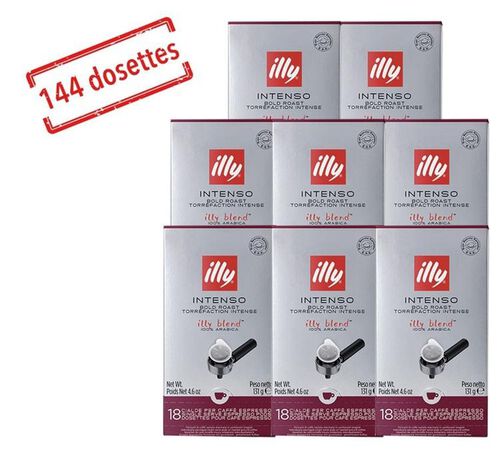
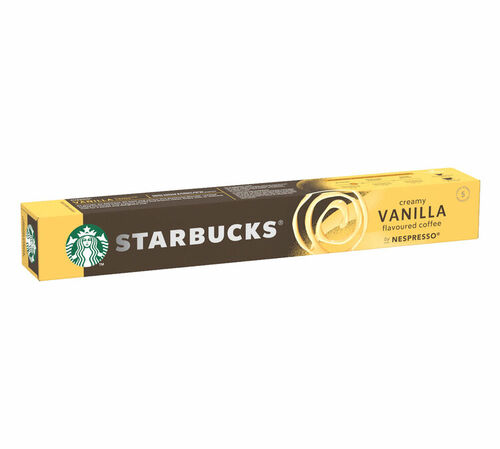
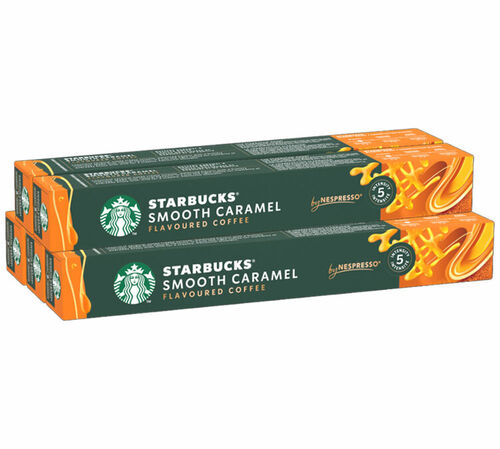
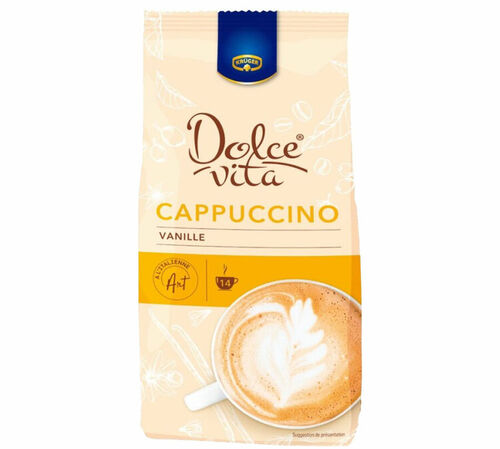
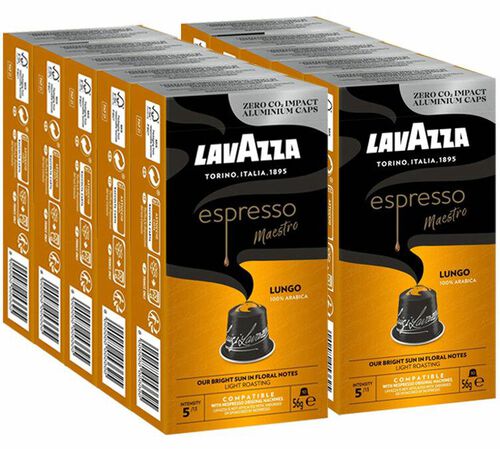
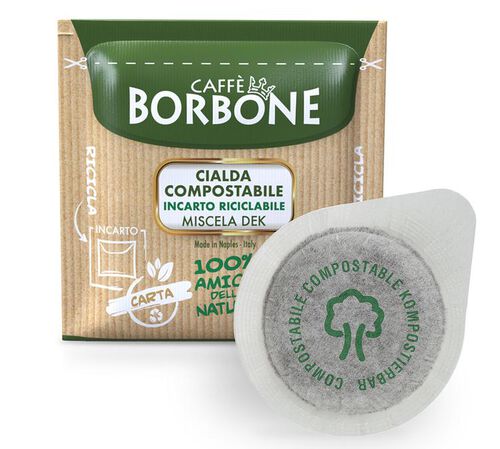
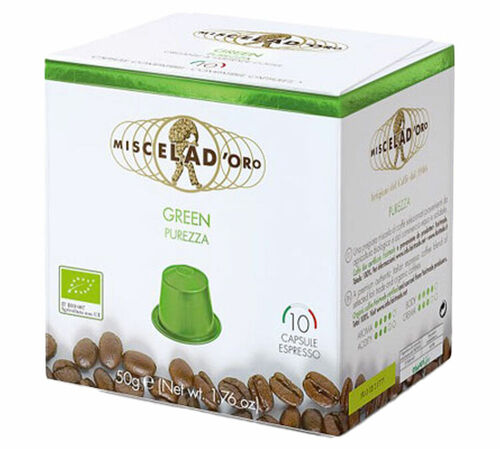
Pods make it easy to prepare a consistent hot drinks at home or at work. Available in different intensities, roast levels and flavour profiles, they offer a convenient solution for enjoying quality drink throughout the day.
Instant Coffee
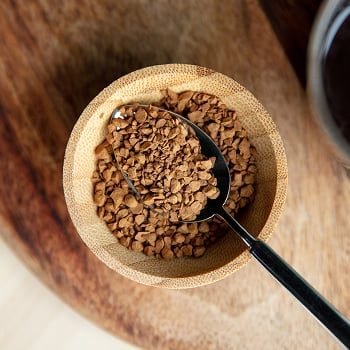
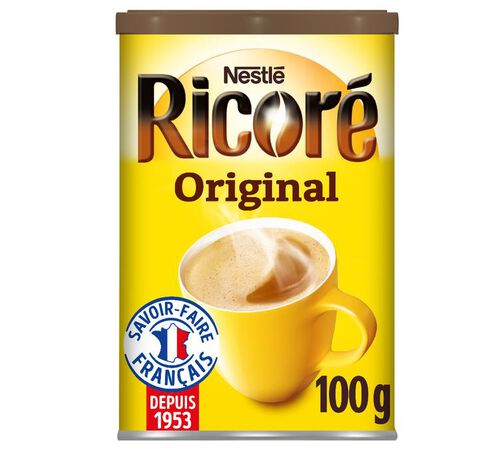
Instant drinks is ideal when convenience is your priority. Modern production methods help preserve aromas, making it possible to enjoy a satisfying cup wherever hot water is available.
Caffeine Alternative
Alternatives are perfect for those looking to reduce caffeine while keeping the pleasure of a warm beverage. Chicory and cereal-based drinks offer distinctive flavours and complement a varied routine.
Shop Coffee with Diverse Options
Origin, Variety and Intensity
Every region offers its own aromatic identity. South American beans are often balanced and sweet, African ones can express bright fruit-forward notes, while those from Asia are known for their richness and body. Originally coffee comes from Ethiopia, before spreading across the world and inspiring today's remarkable diversity of flavours.
Whether you prefer single origin coffee, carefully crafted blends or 100 arabica beans, selecting it by origin, variety and intensity helps you find the ideal match for every brewing method and every occasion.
Freshly Roasted Beans and Specificities
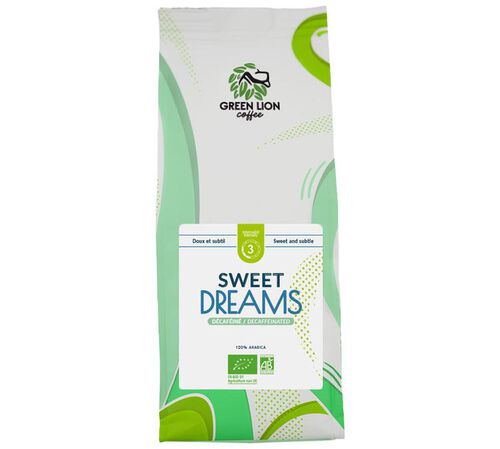
Freshly roasted beans is essential for achieving the best aromas in every cup. On our website, you'll discover top quality beans, including organic, decaffeinated and specialty ones, carefully selected to deliver an exceptional experience.
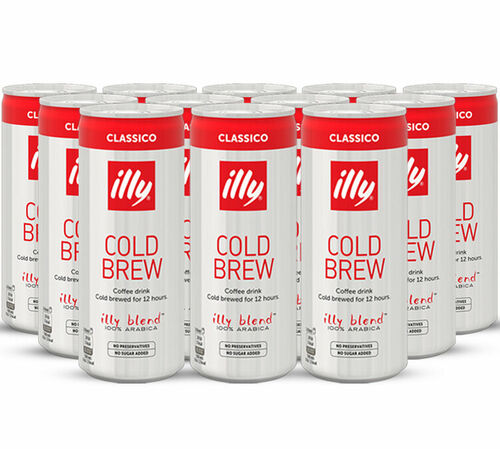
Whether you enjoy espresso, cold brew or milk-based drinks such as a flat white, freshly roasted beans help unlock the full potential of every extraction.
Why Buy Coffee on MaxiCoffee
Shop Coffee from the Best Brands
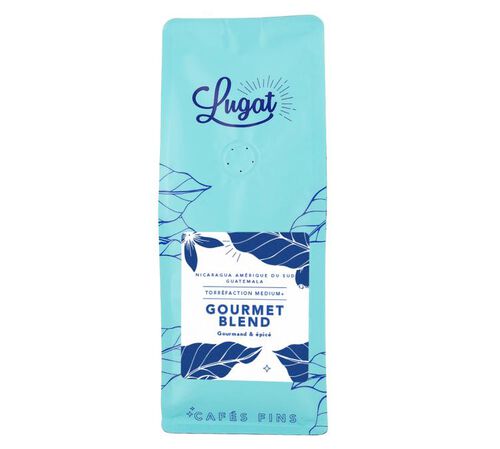
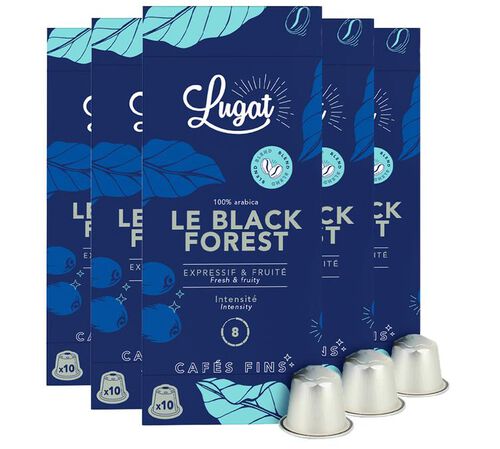
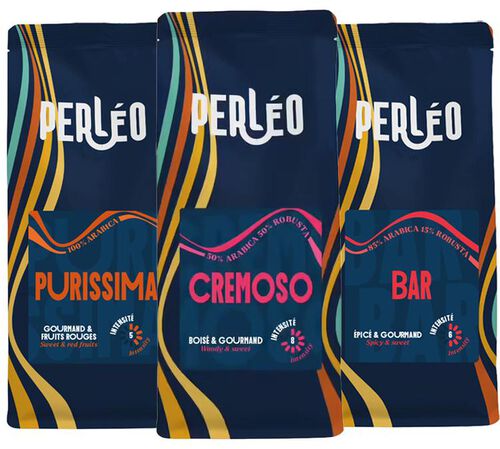
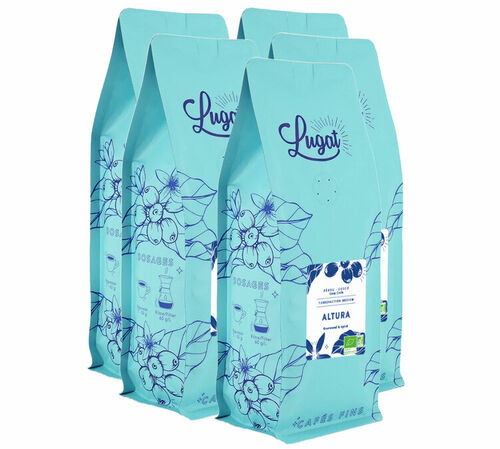
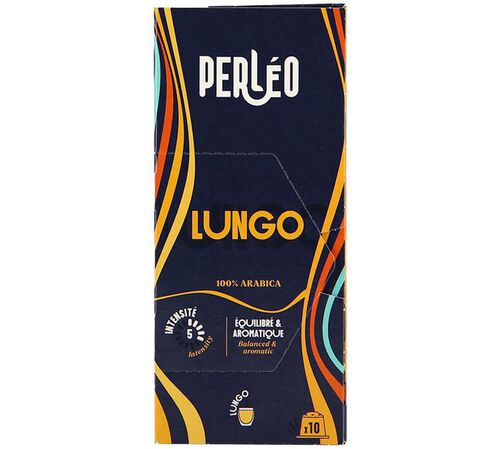
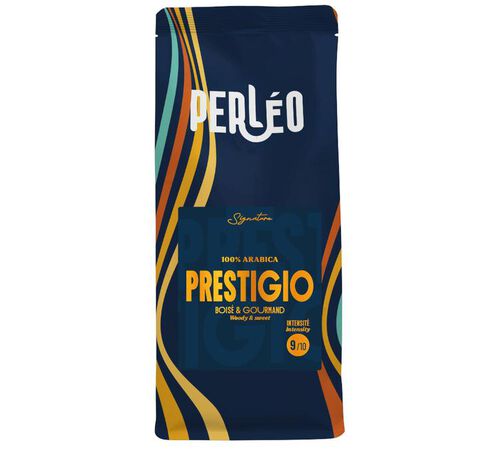
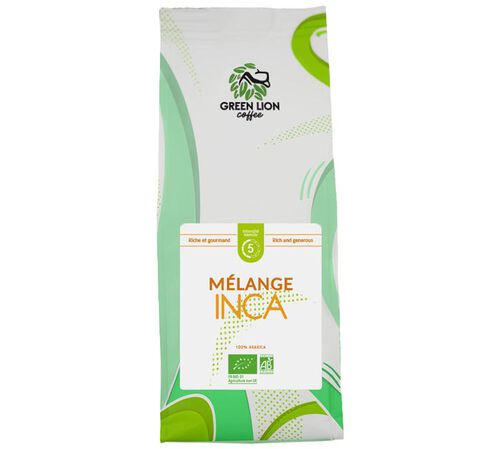
We bring together leading international brands alongside exclusive blend developed by our roasting experts, including Cafés Lugat, Green Lion and Perléo. Whether you are looking for grounds, beans or specialty beans, you'll find products selected for their quality and consistency.
Wide Choice, Expertise and Fast Delivery
For more than 15 years, we have been helping everyone discover the products that best suit their tastes and brewing habits. Our selection includes a wide range of beans and equipment for everyone.
Inspired by the passion found in the world's best coffee shops, our experts carefully select every product to help you enjoy outstanding drinks at home. With expert advice, fast service and coffee delivered directly to your door, discovering your next favourite beverage has never been easier.